If you are trying to picture daily life in Wilmette, it helps to think beyond a map pin. This is a village where the lakefront, downtown, parks, transit stops, and neighborhood amenities all play a role in how your week actually unfolds. Whether you are planning a move or simply getting to know the North Shore better, this guide will show you what everyday life in Wilmette can look like from morning errands to weekend routines. Let’s dive in.
Wilmette at a glance
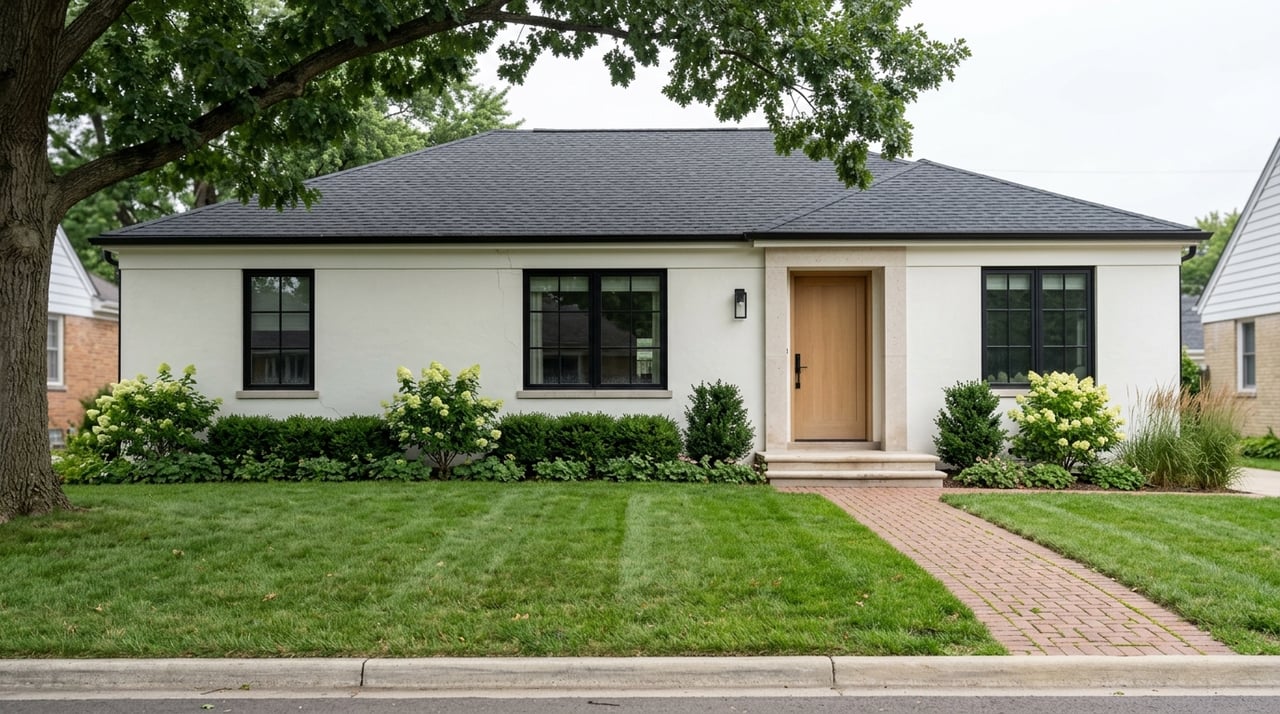
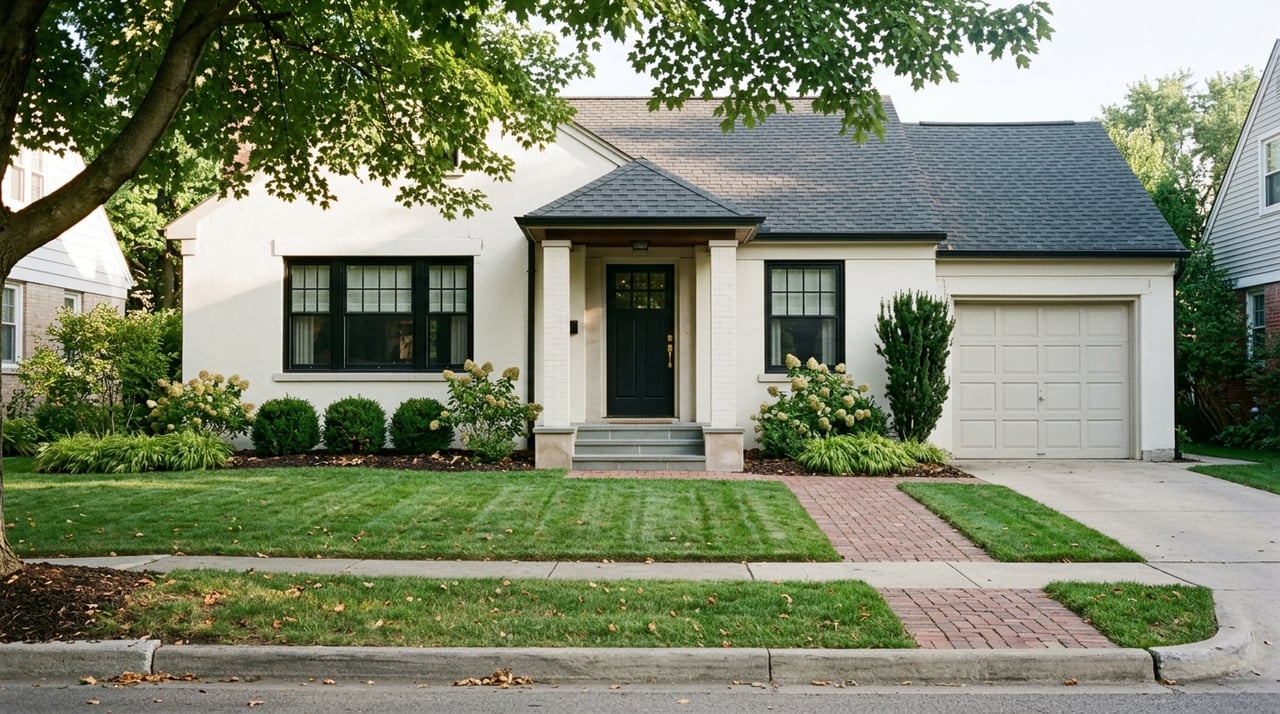
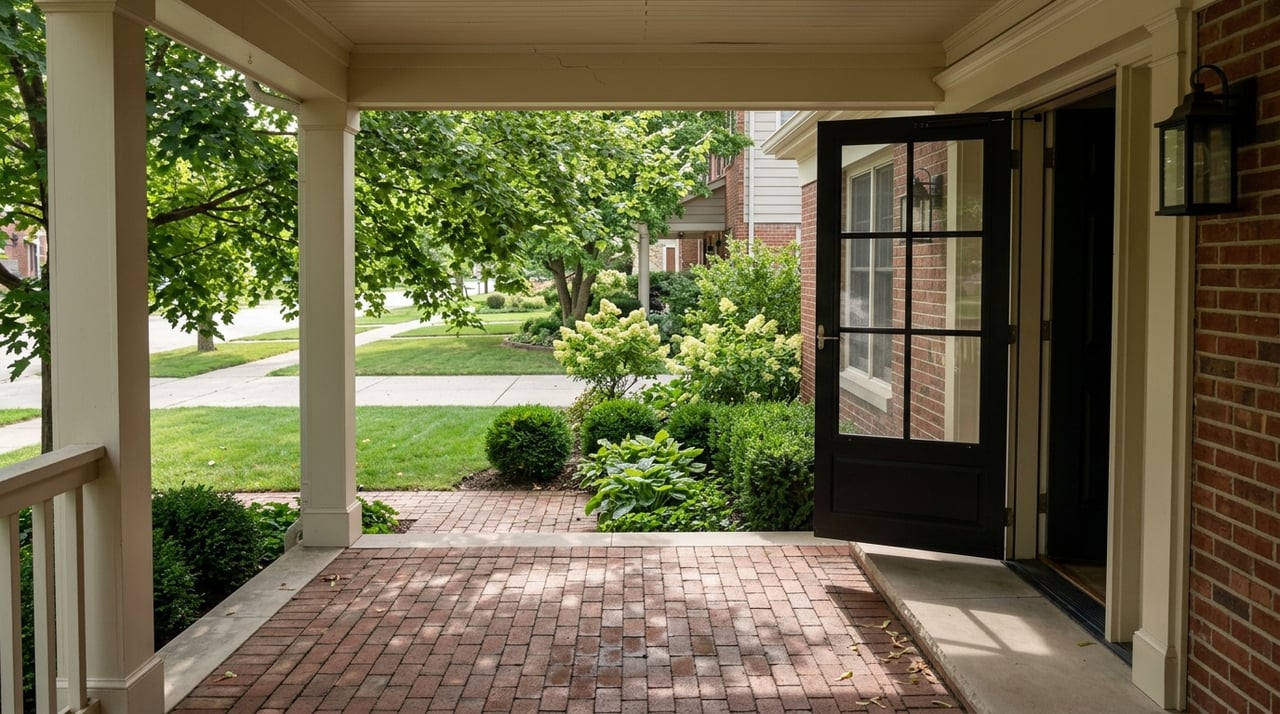
Wilmette is a North Shore suburb in Cook County that stretches about five miles west from Lake Michigan and is roughly one mile wide. According to the village’s Community Profile, the community is known for its lakefront, tree-lined streets, green street lanterns, and brick streets.
That shape matters in daily life. Wilmette feels compact, but it offers several distinct activity areas rather than one single center. In practical terms, many residents move between the lakefront, Village Center, schools, parks, and west-side retail corridors throughout the week.
Lakefront life in Wilmette
For many people, the lakefront is one of Wilmette’s most recognizable features. Gillson Park anchors that experience with two swimming beaches, a sailing beach, kayak and SUP rentals, a dog beach, picnic areas, lighted tennis courts, a fitness course, a tot lot, a seasonal lighted ice rink, Lakeview Center, and Wallace Bowl outdoor theater.
That variety makes the lakefront more than a scenic backdrop. It becomes part of everyday recreation, whether you want a morning walk, a beach afternoon, a paddle on the water, or an outdoor event in warmer months.
The park also operates on a structured schedule, which is useful if you like predictability in your routine. The broader park is open from 6 a.m. to 10:30 p.m., and swimming beach hours run from Memorial Day through Labor Day, 10 a.m. to 8 p.m., according to the park district.
How the lakefront fits daily routines
In some communities, shoreline access feels occasional or destination-based. In Wilmette, the lakefront is part of the village recreation system, so it is easier to imagine it becoming part of your normal week.
That can mean early walks, summer beach visits, dog outings, tennis, or seasonal events. If you value outdoor access close to home, Wilmette’s lakefront amenities add a strong everyday-use factor.
Village Center and errands
Downtown Wilmette, often called the Village Center, sits east of Green Bay Road around the Metra station. The village describes it as the central business district, designed to support retail, dining, and entertainment while preserving historic small-town character on its business districts page.
For daily life, that means errands can feel more connected and less spread out. You may be able to park once, walk to multiple stops, and combine shopping, dining, or transit in one trip.
Parking and walkability downtown
Wilmette offers free on-street parking and five off-street lots in the downtown area, with posted time limits, according to the village’s Downtown Parking information. That setup supports a flexible mix of driving, walking, and transit use.
It also adds convenience for quick weekday tasks. If you are someone who likes manageable errands and a more connected village core, that downtown pattern stands out.
Community rhythm in the center of town
The Village Center is not just about shopping. The village’s calendar currently lists a French Market at the Metra Parking Lot every Saturday from April 18 through October 31, 8 a.m. to 1 p.m., which adds another recurring reason for people to gather downtown.
That kind of routine event helps shape the feel of a place. Instead of downtown being active only during rush hour, it also functions as a regular community gathering point.
Beyond downtown: Wilmette’s retail districts
One of the more useful things to know about Wilmette is that it has seven commercial districts, not just one. The village notes that Linden Square serves Purple Line commuters and nearby residents, Plaza del Lago is a restaurant and retail destination, Ridge Road is known for historic character and locally owned businesses, and the west-side Lake Avenue and Skokie Boulevard districts include Edens Plaza and many national retailers.
This wider layout gives you options depending on the day. Some trips may center on downtown, while others may be more practical and car-oriented along the larger retail corridors.
What that means for everyday convenience
If you are considering a move, this matters because daily life is rarely just home-to-work. It also includes grocery runs, household errands, casual dining, transit drop-offs, and weekend stops.
Wilmette’s commercial layout supports that variety. It offers both a traditional village center feel and larger-scale retail access on the west side.
Transit and getting around
Wilmette supports several ways to get around. The village says the Metra Union Pacific North Line stops downtown at 722 Green Bay Avenue and runs between Kenosha and downtown Chicago, while the CTA Purple Line ends at Linden Avenue in Wilmette and continues south through Evanston and toward Chicago.
The village also lists four Pace routes in Wilmette: 213, 421, 422, and 423. For anyone thinking about commuting or reducing car dependence for certain trips, that range of options can be a real plus.
Linden station and active transportation
The CTA’s Linden station page notes that the station is accessible and includes sheltered bike parking and Park & Ride. Wilmette has also approved a Master Bike and Active Transportation Plan, with an updated five-year implementation schedule in September 2024, aimed at improving access to transit stations, business districts, parks, schools, and other destinations.
That tells you something important about the village’s planning approach. Wilmette is not only organized around cars. It is also investing in walking, biking, and transit connections between the places people use most.
Short cross-town trips are part of the pattern
Because Wilmette is narrow and its major destinations are spread from east to west, many daily trips are relatively short. That can make routines feel more manageable, whether you are heading to the lakefront, downtown, a recreation program, or a west-side shopping stop.
For buyers relocating from a larger suburb or denser city neighborhood, that balance can be appealing. You get multiple activity nodes without needing to cover long distances inside the village.
Parks, recreation, and weeknight routines
The lakefront gets a lot of attention, but Wilmette’s recreation options extend well beyond the shore. The Community Recreation Center houses preschool, fitness, gymnastics, arts, and sports programming, while the Centennial Recreation Complex includes indoor tennis, ice skating, and aquatic facilities.
Those offerings add structure to everyday life across seasons. Summer often highlights the lakefront, while indoor recreation helps keep routines going during colder months.
Programs that support busy schedules
The Park District also offers before- and after-school recreation for grades K-6 attending District 39 or 37. For households managing work, school, and activities, services like these can shape how practical a community feels on a day-to-day basis.
Even if your routine looks different, it is helpful to see that recreation in Wilmette is built around regular use, not just occasional special events. That consistency can make a big difference when evaluating where to live.
Schools, library, and daily-use destinations
For many buyers, everyday life comes down to the destinations you use repeatedly. In Wilmette, that often includes schools, the library, parks, and recreation spaces.
The village’s Education and Schools page says Wilmette Public Schools District 39 serves more than 3,500 students in grades K-8 from most of Wilmette and a small part of adjacent Glenview. The district includes four neighborhood elementary schools, Highcrest Middle School for grades 5-6, and Wilmette Junior High School for grades 7-8.
When talking about schools, the practical takeaway is structure and location. Schools are part of the village’s daily movement pattern, along with parks, transit, and neighborhood routes.
The library as an everyday resource
The Wilmette Public Library at 1242 Wilmette Ave. is open Monday through Friday from 9 a.m. to 9 p.m., Saturday from 9 a.m. to 5 p.m., and Sunday from 12 p.m. to 5 p.m. It is reachable by Pace routes 213, 421, and 422, by Metra from the station across Green Bay Road, and through Pace connections from the CTA Linden stop.
It also offers bike racks and free two-hour parking behind the building. For everyday life, that kind of access matters because it makes a commonly used civic space easy to fit into your schedule.
Community events and village feel
A place often reveals itself through its calendar as much as its housing stock. Wilmette’s community events calendar includes recurring programming such as the French Market, AAPI Heritage Festival, Museum Open House, Annual Historic Housewalk, Memorial Day Parade, Wilmette Art Fair, Wilmette Block Party, and holiday events.
That suggests a community with regular public use of downtown streets, parks, recreation facilities, and gathering spaces. In other words, the village’s amenities are not just there to look good on paper. They are part of how people actually spend time.
What everyday life in Wilmette feels like
Taken together, Wilmette feels less like a single-center suburb and more like a connected set of everyday destinations. The lakefront brings outdoor access and seasonal energy. The Village Center supports errands, dining, and transit. The west-side districts add convenience, while parks, the library, and recreation facilities round out the week.
If you are considering Wilmette, it helps to think about how you want your days to flow. Do you want beach access in summer, a central downtown, multiple transit options, and a village layout where many destinations are close together? If so, Wilmette offers a clear picture of that lifestyle.
If you want help understanding how Wilmette fits into your home search or sale on the North Shore, Megan Livatino Real Estate Inc can help you think through neighborhoods, timing, and the day-to-day details that matter most.
FAQs
What is everyday life like in Wilmette?
- Everyday life in Wilmette centers on a mix of lakefront recreation, downtown errands, transit access, parks, the library, schools, and west-side shopping areas.
Does Wilmette have a walkable downtown area?
- Yes. Downtown Wilmette, or the Village Center, is organized around the Metra station and includes free parking, shops, dining, and event activity that supports walking between stops.
What are the main recreation options in Wilmette?
- Major recreation options include Gillson Park and its beaches, sailing and paddle access, tennis courts, dog beach, picnic areas, the Community Recreation Center, and the Centennial Recreation Complex.
How do residents commute from Wilmette?
- Wilmette includes Metra service downtown, the CTA Purple Line at Linden, and Pace bus routes 213, 421, 422, and 423.
Are there regular community events in Wilmette?
- Yes. The village calendar lists recurring events such as the French Market, Wilmette Art Fair, Memorial Day Parade, Wilmette Block Party, and seasonal holiday programming.
What civic amenities are easy to access in Wilmette?
- The Wilmette Public Library, parks, recreation facilities, transit stations, and business districts are all part of the village’s connected daily-use network.