Thinking about trading Chicago city living for more space in Wilmette? You are not alone, and the move comes with some real lifestyle and housing changes. If you are trying to figure out commute options, home styles, lot sizes, or how to time a move when your Chicago place has not sold yet, this guide will help you sort through the practical details. Let’s dive in.
What changes when you move to Wilmette
One of the biggest differences is the housing mix. Wilmette is a much more ownership-focused market than Chicago, with an owner-occupied rate of 88.4% compared with 45.5% in Chicago. Median owner-occupied home value is also much higher in Wilmette at $802,200, compared with $315,200 in Chicago.
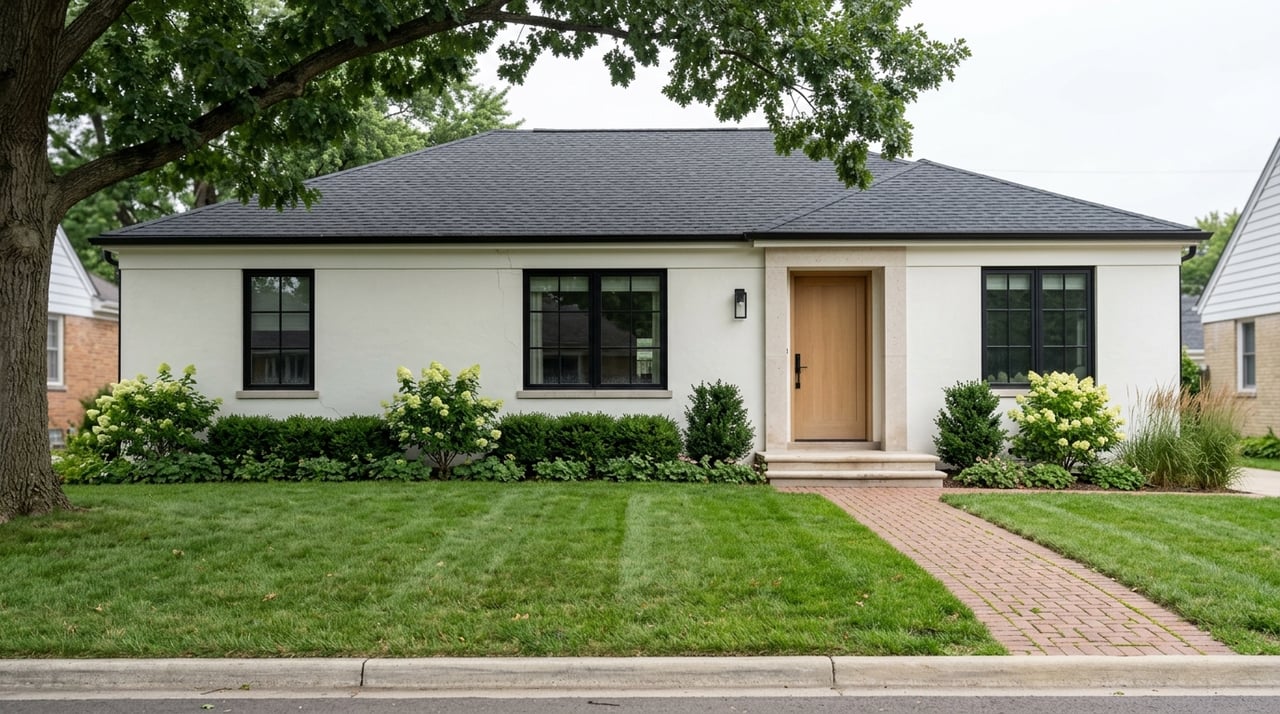
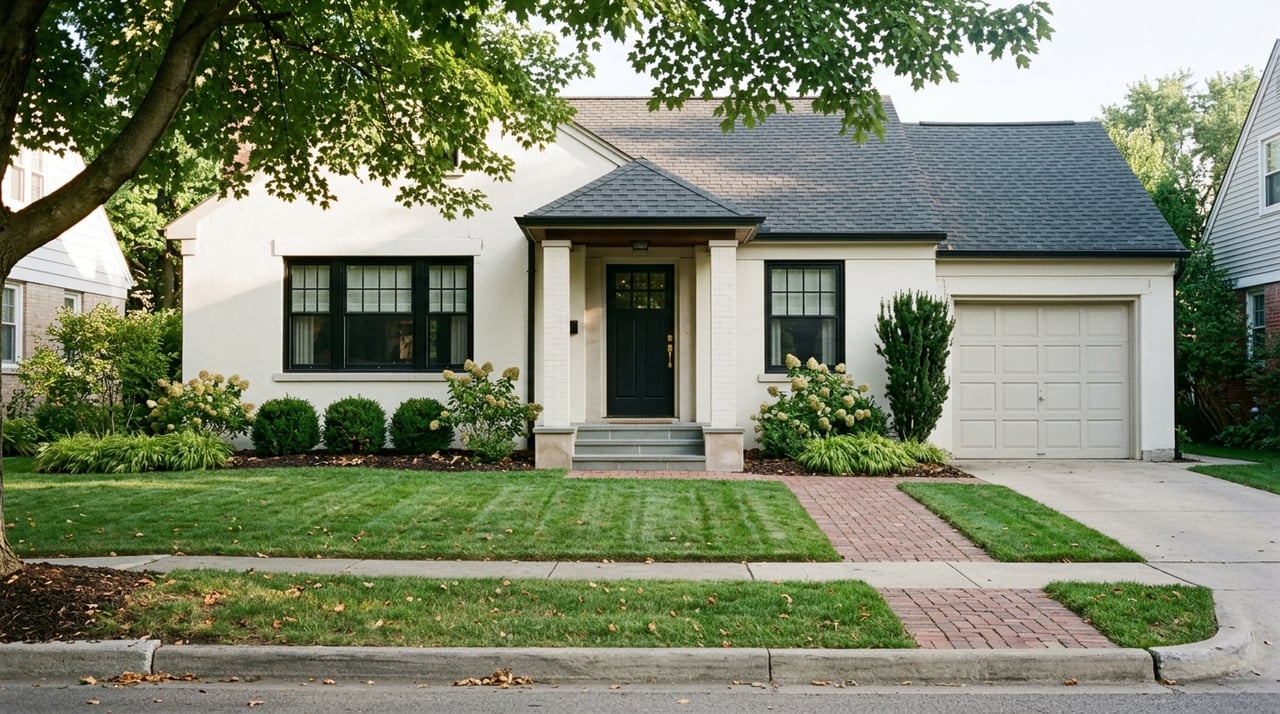
In practical terms, many Chicago buyers moving to Wilmette are shifting from a market with more renters, condos, and mixed housing types into a village where ownership and detached homes are far more common. Wilmette’s comprehensive plan says detached single-family homes make up about 78% of housing units, and a later housing analysis says about four out of five homes are single-family.
That does not mean every home looks the same. You can still find a range of options depending on the area, price point, and zoning. But if you are moving from a condo, apartment, or smaller Chicago home, it is smart to expect a different day-to-day feel around space, yards, and housing density.
Wilmette homes and lot sizes
If you have been searching online for a “typical” Wilmette lot size, the honest answer is that there is a range. Wilmette has 21 zoning districts and sub-districts, and residential rules vary based on lot size, setbacks, height, lot coverage, and floor-area ratio.
That matters because two homes that seem similar at first glance can sit on very different lots and fall under different zoning rules. The village’s 2014 zoning rewrite divided the former single-family R1 district into nine sub-districts, from R1-A through R1-I.
Single-family lots vary by district
The base R district requires a minimum 15,000-square-foot lot. In the R1 sub-districts, minimum lot sizes range from 5,000 to 8,400 square feet, and posted village tables show lot widths ranging from 40 to 60 feet.
For you as a buyer, that means lot size expectations should stay flexible. Some Wilmette homes sit on larger lots with more separation between homes, while others are on more modest lots that may feel more familiar if you are coming from Chicago neighborhoods with tighter spacing.
Attached and multifamily options exist
Even though Wilmette is known for detached housing, there are attached and multifamily options too. The village allows a mix of attached and multifamily housing in R2 and R3 districts.
So if you want lower exterior maintenance, a different price point, or a transition step before buying a larger single-family home, it is worth keeping those property types on your radar. A move to Wilmette does not always have to mean the same kind of house everyone pictures first.
Accessory living units have specific rules
Wilmette also allows accessory living units by special use in R, R1, and R2 districts. The rules require the unit to be inside the principal structure and at least 600 square feet.
If multigenerational living or flexible guest space is part of your plan, this is the kind of detail worth checking early. Local zoning can shape what is possible long before you start thinking about renovation ideas.
Commute options from Wilmette to Chicago
A common concern for Chicago buyers is whether the commute will still feel manageable. In Wilmette, the answer is often yes, but your best option may depend on where in Chicago you need to go and what time of day you are traveling.
Wilmette is not a place where you have to assume every trip is car-dependent. Buyers often compare CTA access, Metra access, parking, and driving time before deciding what setup fits their routine best.
CTA Purple Line service
CTA’s Purple Line runs between Linden in Wilmette and Howard in Chicago. During weekday rush periods, express service continues to the Loop, and CTA lists both early-morning service and late-night weekday service.
For many movers, that makes Wilmette feel more connected to the city than they expected. If your workday lines up with rush-hour service, the Purple Line may be an important part of your routine.
Metra UP-N service
Metra’s Wilmette station is located at 722 Green Bay Road. The station is accessible, has 387 daily parking spaces, and connects with Pace routes 213, 421, and 422.
If you prefer a commuter rail option, the UP-N line gives you another way to structure your day. Station parking and bus connections can also affect whether you need one car, two cars, or something in between.
Driving is only one piece of the picture
Some buyers assume suburban living automatically means driving everywhere. In Wilmette, it is more accurate to think in terms of a mix of options.
Depending on your schedule, you may choose the Purple Line on some days, Metra on others, and driving when it makes the most sense. That flexibility is part of what many Chicago-area movers appreciate once they start comparing real commuting patterns.
Planning the move timeline
The logistics of moving from Chicago to Wilmette can feel more complicated than the home search itself. That is especially true if you are buying and selling at the same time or trying to line up a lease end with a closing date.
Good planning matters because Wilmette carrying costs are higher than in Chicago. Census QuickFacts lists median owner costs with a mortgage at more than $4,000 in Wilmette versus $2,295 in Chicago, and median gross rent at $1,968 versus $1,380.
Start with budget clarity
If you are still early in the process, getting clear on budget before touring homes can help you move with less stress. Research cited in the report notes that buyers can shop for homes and loans at the same time, and that preapproval helps clarify budget before touring.
That step becomes even more important when prices and monthly costs are higher. You want to know what fits your comfort level before you fall in love with a home.
Prepare for inspections and contract decisions
Once you are under contract, the inspection period matters. The research report notes that if an inspection reveals serious flaws, buyers may be able to renegotiate or cancel if the contract allows.
That is one reason a calm, organized process matters so much. In a higher-cost market, you want to understand the condition of the home and the choices available to you before moving forward.
Closing is the binding step
Between contract and move-in, closing is the legally binding point. The research report notes that buyers should review closing documents carefully and ask questions before signing.
If you are coordinating a Chicago sale, a Wilmette purchase, movers, and possibly temporary housing, this is the stage where details matter most. A clear timeline can help you avoid last-minute surprises.
What if your Chicago home has not sold yet?
This is one of the most common relocation questions, and it is a valid one. You may find the right Wilmette home before your Chicago property is under contract, or you may need more flexibility on timing than a standard move allows.
There is no one-size-fits-all answer, but there are a few common tools buyers and sellers look at when juggling both sides of a move.
Sale contingencies
A sale contingency can help create protection if your purchase depends on selling your current home first. Whether this works in practice depends on the specific terms of the deal and the market situation.
If you are trying to reduce financial overlap, this may be one strategy to discuss early. The key is to understand how it affects timing and negotiation strength.
Bridge financing
Bridge loans are a common short-term option when you need to unlock equity before your current home sale closes. For some movers, this can create a path to buy first and sell shortly after.
Because the costs and risks can vary, this is something to evaluate carefully as part of your full move plan. In a market like Wilmette, where carrying costs can be significant, it is especially important to be realistic about the numbers.
Rent-back arrangements
If a seller needs extra time after closing, a rent-back or leaseback can sometimes be written into the agreement, subject to contract terms and lender approval. This can also help smooth out the handoff between properties in certain situations.
For Chicago-to-Wilmette movers, flexibility can be valuable. A little extra time in the right place can make packing, repairs, school-year planning, or a staggered move feel much more manageable.
A practical way to approach your search
If you are relocating from Chicago to Wilmette, it helps to think about your move in layers instead of chasing listings first. Start with your real priorities: home type, lot size, commute style, monthly budget, and timing.
Then narrow your options based on how you actually live. Do you want a detached single-family home, or would an attached home make the transition easier? Do you want CTA access, Metra access, or the option to mix both? Are you buying only after your Chicago home sells, or do you need a more flexible strategy?
Wilmette can offer more space, a more ownership-oriented housing market, and multiple commuting options, but it also comes with different price points and planning needs. If you approach the move with clear expectations and local guidance, you can make decisions that fit both your lifestyle and your timeline.
If you are planning a move from Chicago to Wilmette and want calm, local guidance on neighborhoods, timing, and next steps, Megan Livatino Real Estate Inc would love to help you think through your options.
FAQs
Is Wilmette mostly single-family housing?
- Yes. Wilmette’s comprehensive plan says detached single-family homes account for about 78% of housing units, and a later housing analysis says about four out of five homes are single-family.
Can you commute from Wilmette to Chicago without driving?
- Yes. Wilmette has CTA Purple Line service at Linden and Metra UP-N service at the Wilmette station, so many buyers consider transit a real commuting option.
Are there smaller-lot homes in Wilmette?
- Yes. Wilmette’s R1 sub-districts include minimum lot sizes ranging from 5,000 to 8,400 square feet, while the base R district requires 15,000 square feet.
Does Wilmette have attached or multifamily housing?
- Yes. In addition to detached homes, Wilmette zoning allows attached and multifamily housing in R2 and R3 districts.
What should you do if your Chicago home has not sold before buying in Wilmette?
- Common options can include sale contingencies, bridge financing, and rent-back arrangements, depending on your timing, contract terms, and lender approval.
Why is budgeting important when moving from Chicago to Wilmette?
- Wilmette has higher housing costs than Chicago in the research report, so it helps to understand your full monthly budget before touring homes and making offers.