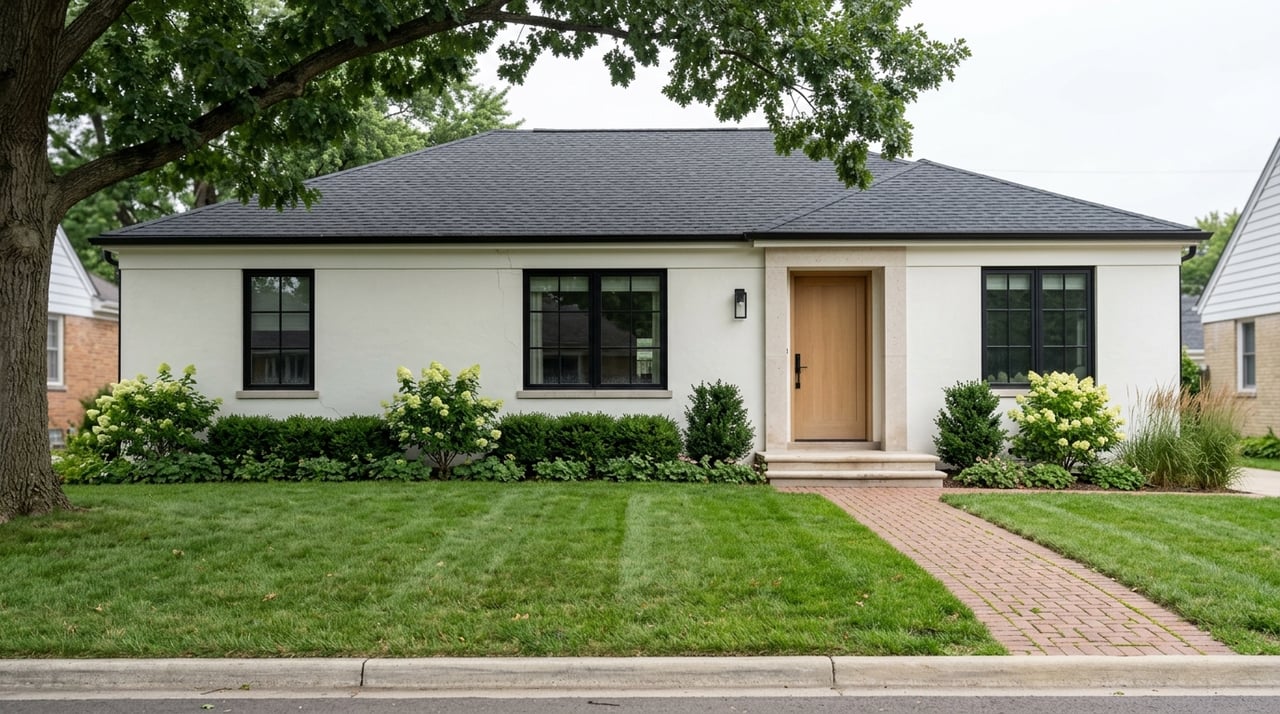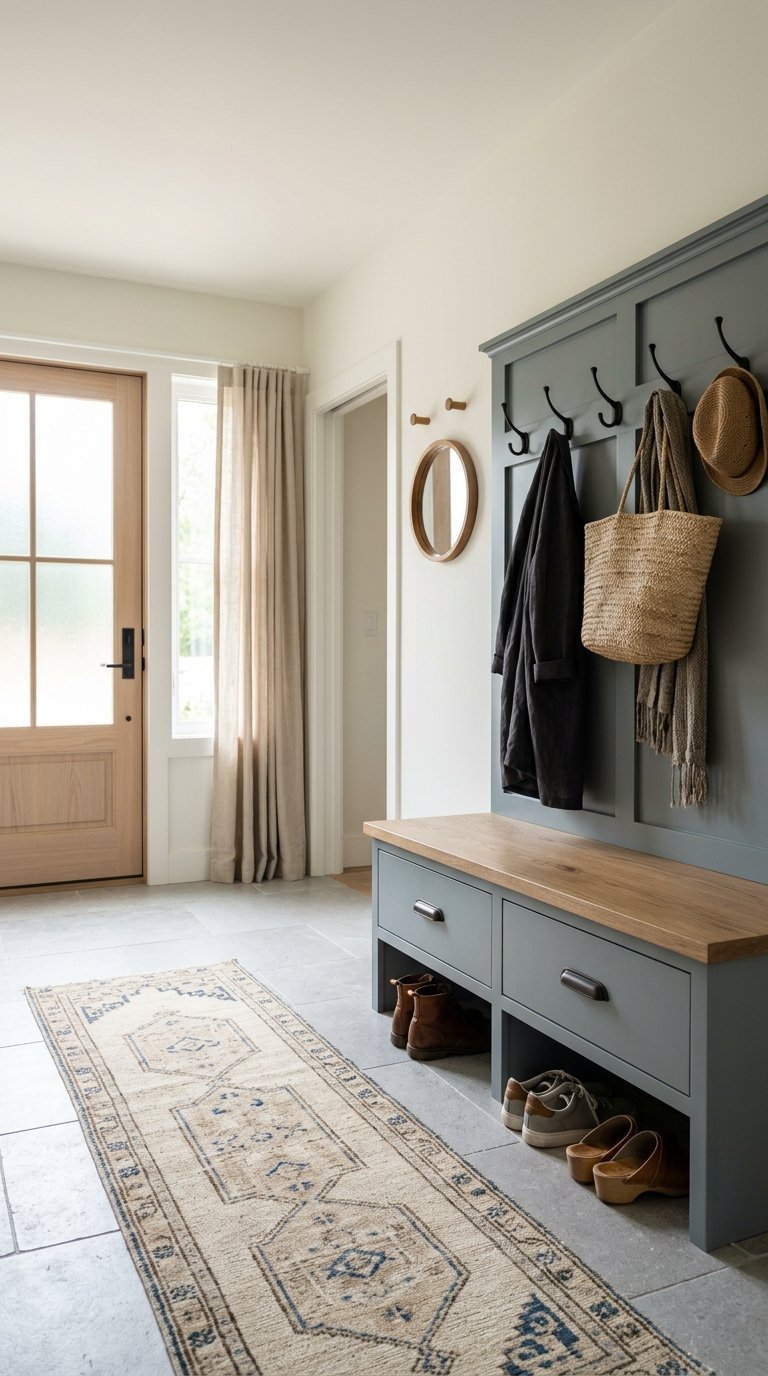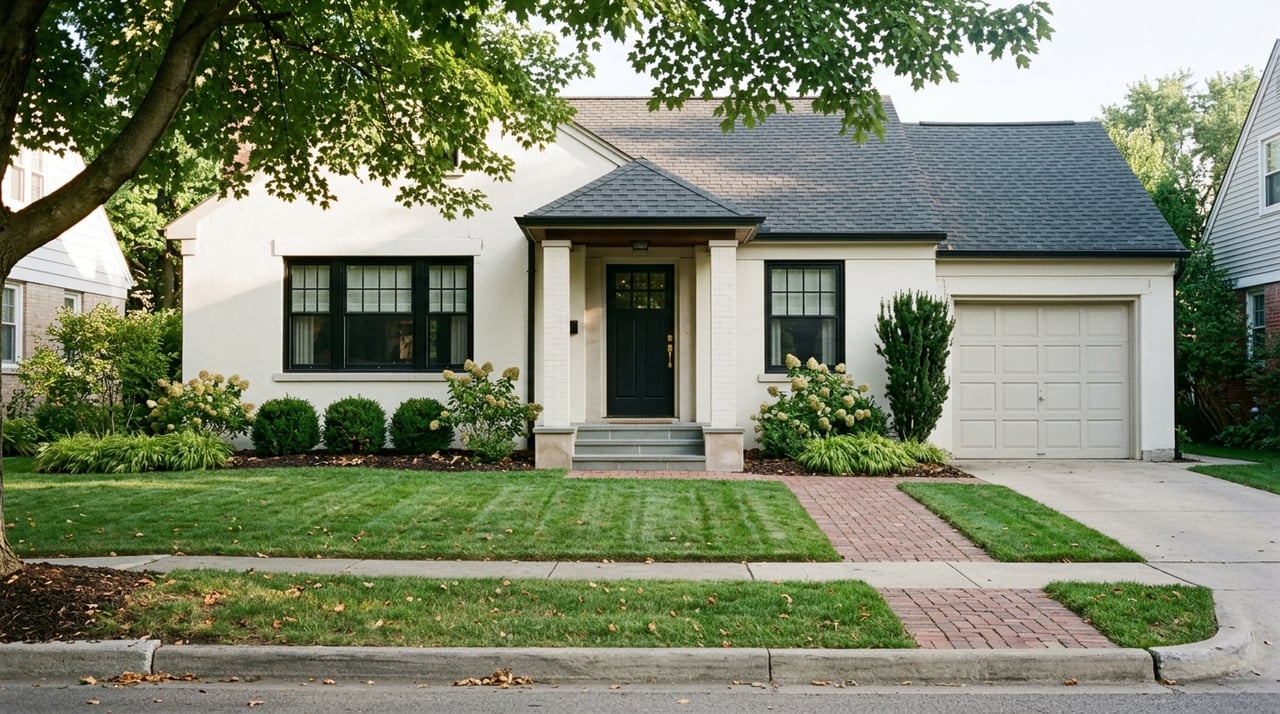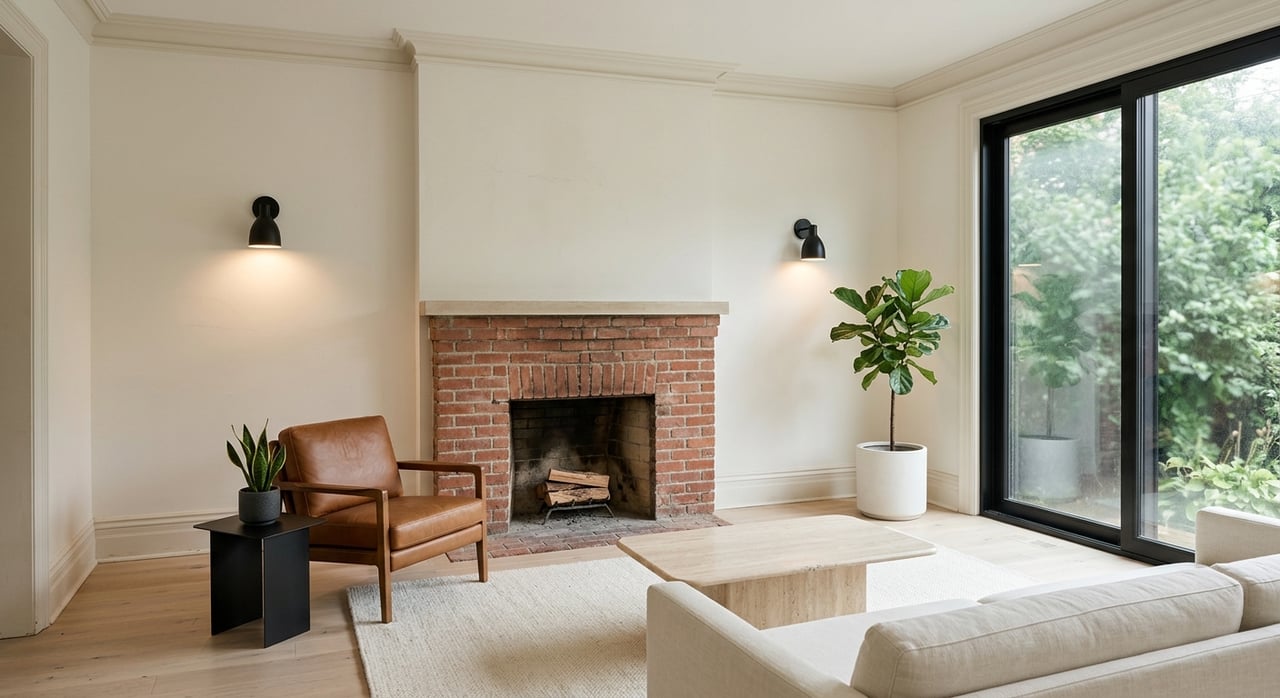
Wondering whether a vintage home or a newer build makes more sense in Wilmette? You are not alone. In a village known for its mature streetscapes, older housing stock, and limited redevelopment, this choice is about much more than style. If you are trying to balance charm, maintenance, comfort, and long-term value, this guide will help you think through the tradeoffs with Wilmette in mind. Let’s dive in.
Why this choice feels different in Wilmette
Wilmette is not a place with endless new subdivisions on the edge of town. It is a largely built-out North Shore village where future development is expected to happen mostly through redevelopment rather than broad new expansion.
That local context shapes your options. The village describes its character through features like single-family homes, brick-paved streets, tree-lined streets, period street lights, and proximity to Lake Michigan. In other words, when you buy in Wilmette, you are often choosing between homes with history and newer homes created through infill or rebuild opportunities.
The housing stock also leans older. Village planning materials show that more than half of Wilmette homes were built before 1960, which means vintage homes are not a niche category here. They are a major part of the market.
What “vintage” can mean in Wilmette
In Wilmette, vintage does not describe just one type of house. It can mean a detailed period home with architectural character, or it can mean a more modest mid-century property that has served as an entry point for buyers.
The local housing plan notes that many mid-20th-century homes, including ranches, have historically offered more affordable entry-level ownership options. That matters if you are looking for a way into Wilmette without taking on the price tag of a larger historic property.
At the same time, Wilmette has a strong architectural legacy. Local historical materials highlight styles such as Tudor Revival, Colonial Revival, Classical Revival, French Eclectic, Art Deco, and Norman Revival. Many of these homes remain part of the community today, which helps explain why vintage charm is such a strong draw for buyers here.
What vintage homes often offer
The biggest appeal of a vintage home is character that is hard to replicate. You may find original millwork, distinctive facades, thoughtful proportions, and details that connect the home to Wilmette’s long-established streetscape.
Vintage homes can also offer location benefits. Because they are woven into the village’s existing fabric, they are often part of the classic Wilmette setting many buyers picture when they start their search.
That said, charm should always be weighed against condition. In Wilmette, where many homes are older, the real question is often not old versus new. It is well-maintained versus under-updated.
What newer builds often offer
Newer construction in Wilmette usually comes from infill development or redevelopment on existing lots. That means a newer home here may sit right alongside older homes, rather than in a fully new neighborhood setting.
The practical advantage of a newer build is usually day-one convenience. Newer homes often feel more turnkey, with modern layouts, updated systems, and construction methods that support comfort and efficiency.
The Department of Energy notes that proper air sealing and insulation can reduce leaks, drafts, moisture problems, and utility costs while improving comfort, indoor air quality, noise control, and durability. That helps explain why newer homes often feel easier at move-in, especially if you want fewer immediate projects.
The hidden costs buyers should think about
A beautiful older home can be a great fit, but it is important to look past the first impression. Wilmette’s own housing planning materials note that about one in four homeowner households are stretched by monthly housing costs.
That makes repair surprises more than a minor inconvenience. If you are choosing between a vintage home and a newer build, the budget for updates, repairs, and future maintenance should be part of your decision from the start.
With older homes, deferred maintenance can affect both your timeline and your comfort level. Even a home with strong bones may need work over time, and that can change the true cost of ownership.
Questions to ask about a vintage home
If you are considering an older home in Wilmette, a little extra due diligence can go a long way. Start with the basics, then dig into the details that matter in this market.
Ask about age and permit history
Find out when the original structure was built and what major work has been completed. In Wilmette, permits are required for new buildings, additions, alterations, demolition, and many utility or mechanical changes, so permit records can tell you a lot.
A polished kitchen or expanded primary suite may look great, but it is still worth confirming that the work was completed with the right approvals. This is one of the clearest ways to understand how the home has been cared for over time.
Ask about lead-related issues
If the home was built before 1978, ask whether lead-based paint has been evaluated. For very old homes, especially those usually built before 1940, Wilmette also notes that some service lines may be made from lead.
These are manageable issues when properly investigated, but they should not be left as open questions. Knowing what has already been addressed can help you plan next steps with more confidence.
Ask about landmark or historic status
Wilmette has 38 local landmarks and 3 National Register historic districts: Village Center, Oak Circle, and Ouilmette North. If a home is a local landmark, it is protected by the village’s Historic Preservation Ordinance.
That can affect future exterior changes or demolition plans. It is also important to know that National Register status is different. According to the village, National Register listing is honorific and does not by itself protect a property from demolition or inappropriate alterations.
Ask about renovation incentives
For some eligible historic, owner-occupied properties, Illinois offers a Property Tax Assessment Freeze for substantial, approved rehabilitation. Wilmette is among the communities covered by approved preservation ordinances for that program.
This will not apply to every buyer or every property, but it is worth asking about when a home may need major approved restoration work. In the right situation, it can be part of the financial picture.
Questions to ask about a newer build
Newer does not always mean simpler. Because Wilmette is largely built out, many newer homes are the result of teardown-and-rebuild projects or major additions rather than clean-slate development.
That is why it helps to understand exactly what “newer” means for the property you are considering.
Was it a rebuild or major addition?
Ask whether the home was entirely rebuilt, substantially expanded, or newly constructed on an existing site. In a redevelopment-driven market, that distinction can matter for everything from design consistency to the age of certain systems.
You want a clear picture of what is truly new and what may have been retained. That helps set expectations about maintenance and future updates.
Are final approvals complete?
A newer home may still require the same careful review as an older one. Verify permit history, final inspections, and whether all approvals were completed.
Wilmette’s permit rules note that some demolition and new-construction work requires a site development plan before a permit is issued. That is one more reason paperwork matters, even when a home looks move-in ready.
How is the home likely to feel day to day?
Many buyers notice the everyday comfort of newer construction right away. Better insulation and air sealing can make a home feel quieter, less drafty, and easier to heat or cool.
If low-maintenance living is high on your list, this can be a meaningful advantage. It may not replace charm, but it can reduce the number of immediate projects after closing.
How to decide what fits your life
In Wilmette, this decision is less about which category is better and more about which tradeoffs match your priorities. A vintage home may give you character, history, and a classic setting, while a newer build may give you comfort, efficiency, and fewer early repairs.
To make the right call, ask yourself:
- Do you love original detail enough to take on more upkeep?
- Do you want a home that feels turnkey from day one?
- Are you comfortable budgeting for future updates?
- Would preservation rules affect the kind of changes you hope to make?
- Are you focused more on charm, convenience, or a balance of both?
For many buyers, the answer is not fully one or the other. It may be an older home with thoughtful updates, or a newer home in a classic Wilmette setting.
The Wilmette takeaway
Wilmette is not a simple old-versus-new market. It is a village with a deep stock of older homes, a limited supply of newer redevelopment, and a permitting and preservation framework that makes the condition of the property just as important as its style.
That is why your decision should start with how you want to live, then move into the facts of each specific home. When you understand the home’s age, updates, permit history, and possible preservation status, you are in a much better position to buy with confidence.
If you are weighing vintage charm against newer-build convenience in Wilmette, having local guidance can make the process feel a lot clearer. To talk through your options and what fits your goals, connect with Megan Livatino Real Estate Inc.
FAQs
What does vintage housing in Wilmette usually mean?
- In Wilmette, vintage can mean anything from a modest mid-century ranch to a highly detailed period home with historic architectural character.
Are most homes in Wilmette older homes?
- Yes. Village planning materials show that more than half of Wilmette homes were built before 1960.
Is new construction common in Wilmette?
- Newer construction exists, but it is usually infill or redevelopment on existing lots because Wilmette is largely built out.
What should you ask before buying an older Wilmette home?
- Ask about the original build year, permit history, major system updates, possible lead-based paint, potential lead service lines, and whether the property has landmark or historic district status.
What should you ask before buying a newer Wilmette home?
- Ask whether it was a teardown and rebuild or a major addition, and confirm that permits, inspections, and final approvals were completed.
Do historic designations matter when buying in Wilmette?
- Yes. Local landmark status can affect future exterior changes because it is governed by the village’s Historic Preservation Ordinance, while National Register listing is honorific and does not itself provide the same protection.
Are vintage homes in Wilmette always luxury properties?
- No. The village notes that older housing includes modest mid-20th-century homes that have historically provided more affordable entry-level options as well as larger character homes.
Which is better in Wilmette: vintage charm or a newer build?
- The better choice depends on your budget, maintenance tolerance, renovation goals, and whether you value original character or more turnkey comfort most.