If you are thinking about buying a condo or townhome in Skokie, you are probably weighing a few big questions at once: How much space do you really need, what kind of upkeep do you want, and how do you make sense of monthly assessments? In a village where detached homes still dominate, attached housing offers a meaningful set of options for buyers who want convenience, transit access, or a more manageable footprint. The key is knowing how to compare layout, ownership structure, building condition, and association health before you move forward. Let’s dive in.
Skokie’s attached-home market
Skokie is still a strongly owner-occupied community. According to U.S. Census QuickFacts, the owner-occupied housing rate is 74.7%, and the median value of owner-occupied homes is $387,200.
At the same time, condos, townhomes, and multifamily properties make up a real part of the local housing mix. CMAP’s community snapshot for Skokie shows 54.9% detached homes, along with a range of attached and multifamily housing types, including 3.8% single-family attached homes and 18.4% in buildings with 20 or more units.
That range matters if you are hoping to buy something other than a detached house. It means Skokie gives you several attached-housing choices, from elevator-building condos to townhomes that live more like a traditional house.
Why condos and townhomes appeal
One reason attached housing works well in Skokie is location and transportation. The village offers CTA Yellow Line service, bus routes, Pace Pulse on Dempster, I-94 access, and more than 45 miles of bike paths and routes, which can make condos and townhomes especially appealing for buyers who want easier commuting and close access to shopping and daily essentials.
For many buyers, that translates into a practical lifestyle benefit. You may be able to trade yard work and exterior maintenance for a home that is closer to transit, retail, or neighborhood amenities, while still getting more space than you might expect.
Condo layouts and features
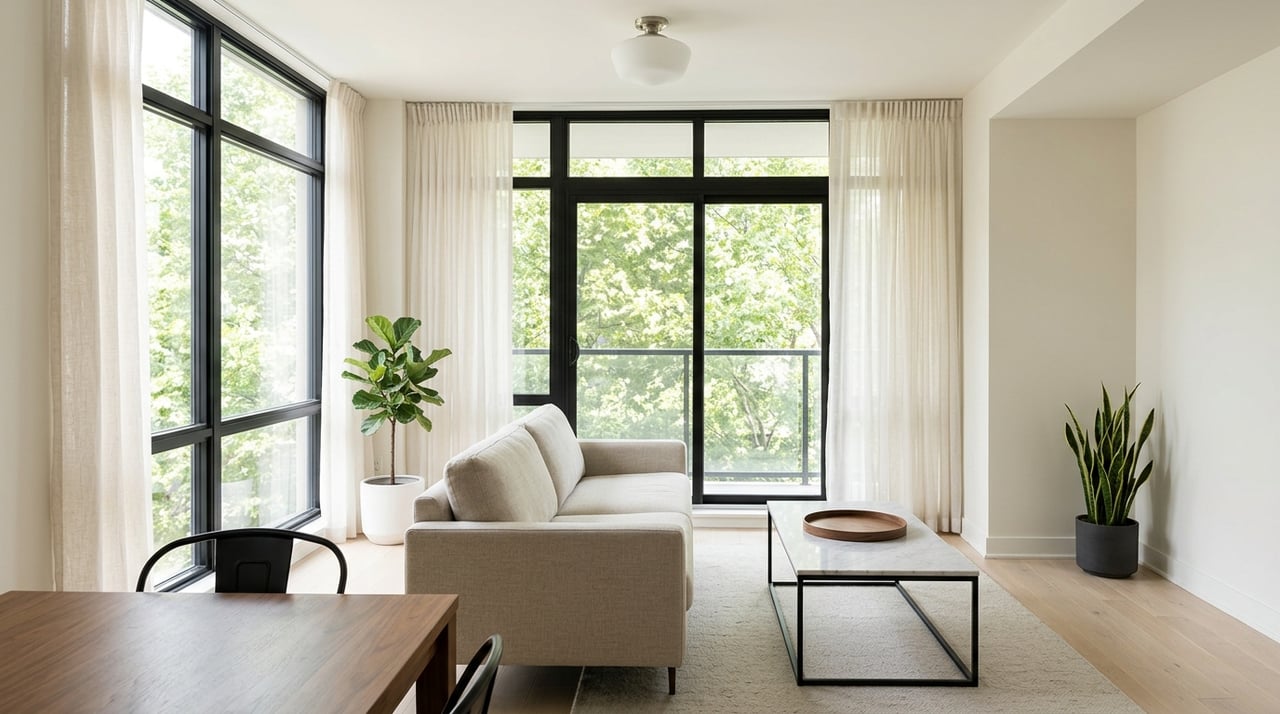
If you picture every condo as a small one-bedroom starter unit, Skokie may surprise you. Current and recent listing examples show that many condos here offer generous square footage, with some 1-bedroom and 2-bedroom units measuring well over 1,100 square feet and others reaching into the 1,300 to 1,600 square foot range, according to recent Skokie condo listings and sales examples.
Amenities also play a big role in the condo market. In some buildings, you may see features like heated garage parking, storage lockers, balconies, outdoor pools, exercise rooms, party rooms, elevators, and in-unit laundry, as shown in current Skokie condo examples.
That is why the price conversation should go beyond the list price alone. A condo with a larger amenity package may come with a higher monthly assessment, but it may also offer conveniences you would otherwise pay for separately.
Townhomes often feel like houses
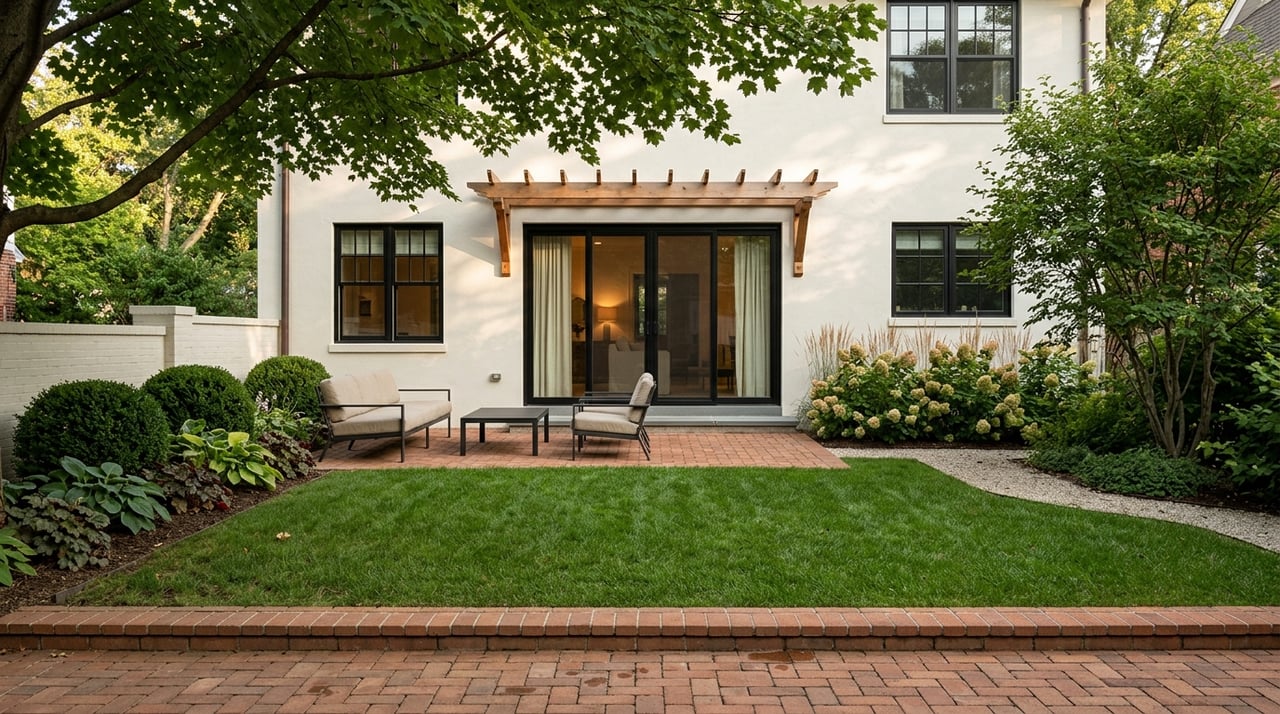
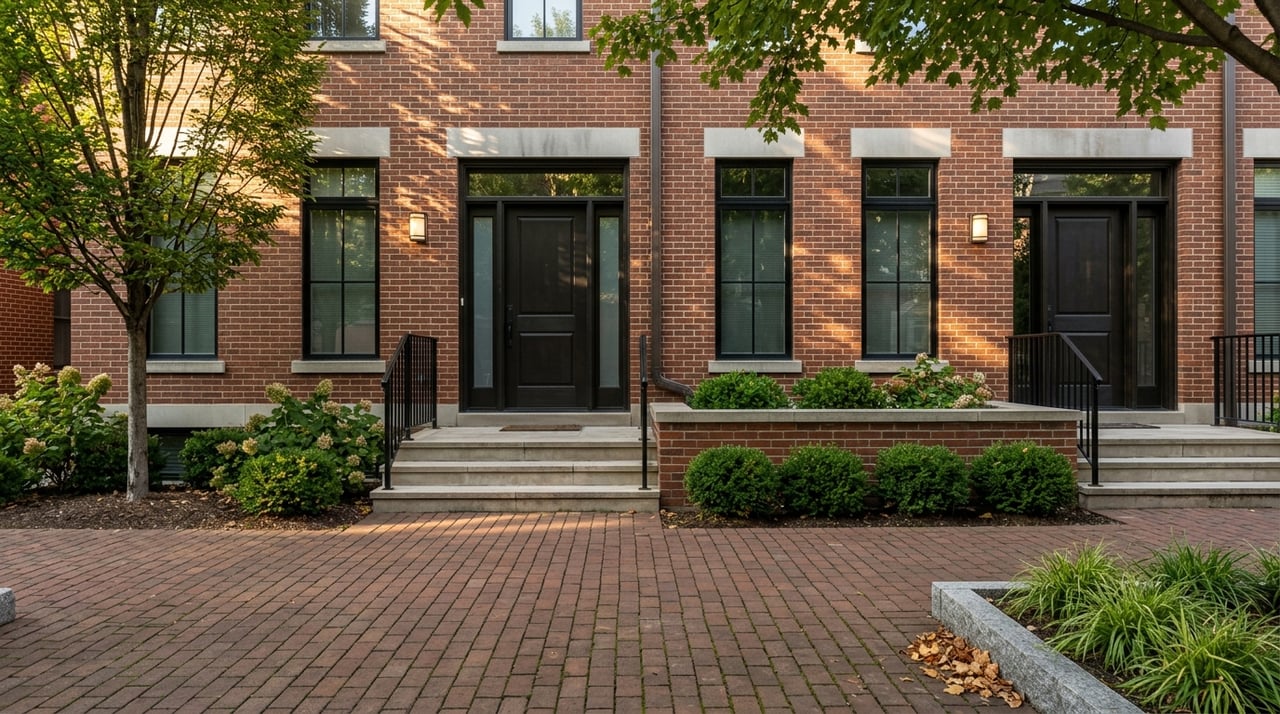
Townhomes in Skokie can offer a very different experience from a condo building. Recent examples include homes with private entrances, multiple levels, finished basements, attached two-car garages, and private outdoor areas, based on current Skokie townhome listings.
In practical terms, that means a townhome may appeal to you if you want more separation, more storage, and a layout that feels closer to single-family living. Some townhomes in Skokie also overlap with detached homes on size, often falling in the roughly 1,700 to 2,200 square foot range.
Still, not every townhome works the same way. One listing is specifically described as fee simple with an HOA, which is a useful reminder that ownership structure, maintenance responsibilities, and association rules can vary from one property to the next.
Building age matters in Skokie
Skokie has a lot of older housing stock. CMAP data shows that 64.9% of the village’s housing was built from 1940 to 1969, with another 16.8% built from 1970 to 1989.
That does not mean attached homes are all dated, and it does not mean newer options are unavailable. It does mean you should look carefully at the age of the building and the condition of major systems, since older buildings may have different maintenance needs, reserve demands, and update histories than newer construction.
For buyers, this is where details matter. Two homes with similar square footage and pricing can feel very different once you factor in windows, roof age, elevators, plumbing, HVAC systems, and upcoming capital projects.
HOA documents deserve close attention
When you buy a condo in Illinois, the paperwork matters almost as much as the property itself. Under the Illinois Condominium Property Act, associations are required to prepare an annual budget, maintain reasonable reserves for capital expenditures and deferred maintenance, and provide resale disclosures covering key financial and legal information.
Those disclosures can include the declaration, bylaws, rules, unpaid assessments, liens, anticipated capital expenditures for the next two fiscal years, reserve fund status, insurance coverage, and any pending suits or judgments. The Act also makes clear that special assessments may be used to raise funds for certain needs, including emergency or legally required work.
This is why reviewing the association packet is such an important step. A well-run building can support your day-to-day experience and your resale outlook, while a poorly managed one can create surprise costs and extra stress.
Questions to ask before you buy
Before you move forward on a Skokie condo or townhome, make sure you understand the property beyond the photos and floor plan. Some of the most useful questions come directly from what Illinois associations must disclose.
Ask about monthly assessments
You will want to know exactly what the monthly assessment covers. In one building, it may include amenities, exterior maintenance, common insurance, parking, storage, and shared spaces. In another, the scope may be narrower.
Ask about reserves and projects
Look at the reserve fund and ask whether there is a current reserve study. You should also ask whether major work is planned for the roof, façade, windows, elevators, plumbing, or HVAC systems.
Ask about special assessments
Do not stop at asking whether one is currently in place. You should also ask if one has been discussed in recent board minutes or if upcoming repairs make one more likely.
Ask about rules that affect daily life
Rules around rentals, pets, parking, and storage can shape how well a property fits your needs. Listing examples in Skokie show that allowances and restrictions can vary, including whether rentals are allowed and what pet limitations may apply.
Condos vs. townhomes vs. detached homes
If you are deciding between attached housing and a detached house, Skokie gives you options across several price and size bands. Recent detached-home sales in Skokie included examples from $470,000 to $680,000 for homes ranging from about 1,638 to 2,422 square feet.
By comparison, condo examples in Skokie have ranged from roughly $233,500 to $350,000 for units around 1,349 to 1,620 square feet, while townhome examples and estimates often land in the low-$400,000s up to around $500,000 for roughly 1,700 to 2,000 square feet, based on current and recent attached-home examples.
The trade-off is usually straightforward. A detached home may offer more independence and control over the property, while a condo or townhome may offer easier maintenance, shared amenities, or a lower entry point depending on the property.
What kind of buyer fits each option
A condo may make sense if you want a simpler maintenance routine, access to amenities, and a location near transit or shopping. It can also be a useful option if you want comfortable square footage without taking on full exterior upkeep.
A townhome may be the better fit if you want more privacy, more levels, more garage space, or a home that feels closer to a single-family layout. If you are drawn to attached housing but still want a more house-like setup, this is often the category worth watching.
A detached home may still be the right move if you want the most control over the property and are comfortable managing exterior maintenance and longer-term capital needs on your own. The best fit depends on your priorities, not just the headline price.
A smart Skokie buying strategy
In Skokie, attached housing is not one-size-fits-all. You can find condos with larger floor plans and strong amenity packages, as well as townhomes that offer multi-level living, garages, and private entrances. The most successful buyers stay focused on the full picture: space, location, rules, building condition, monthly costs, and future resale appeal.
If you want help comparing condos, townhomes, and other options in Skokie, Megan Livatino Real Estate Inc can help you sort through the details and make a confident plan for your next move.
FAQs
What should buyers know about condo assessments in Skokie?
- Buyers should ask what the monthly assessment covers, review reserve levels, and check whether major repairs or special assessments are planned or being discussed.
What should buyers know about Skokie townhome ownership structure?
- Buyers should confirm whether the townhome is part of a homeowners association, whether it is fee simple or another ownership type, and what maintenance responsibilities come with it.
What should buyers know about building age for Skokie condos and townhomes?
- Buyers should pay attention to when the building was constructed and how major systems have been maintained or updated, since much of Skokie’s housing stock dates from the mid-century and later decades.
What should buyers know about Skokie condo and townhome amenities?
- Buyers should compare amenities like garage parking, elevators, balconies, pools, exercise rooms, storage, and in-unit laundry against the monthly assessment to see what offers the best value for their needs.
What should buyers know about choosing between condos, townhomes, and detached homes in Skokie?
- Buyers should compare not just price and square footage, but also upkeep, privacy, shared rules, parking, amenities, and how much control they want over the property.