Eyeing a North Side purchase and wondering if a second unit could help cover the mortgage? You’re not alone. Many buyers use house hacking to reduce monthly costs while building equity and gaining rental experience. In this guide, you’ll see how a classic Chicago two-flat compares to a single-family home with rentable space, what to check for zoning and permits, financing options to explore, and simple cash-flow examples you can adapt. Let’s dive in.
What house hacking looks like on the North Side
House hacking means you live in part of a property and rent the rest to offset costs. On Chicago’s North Side, you’ll mostly see two paths:
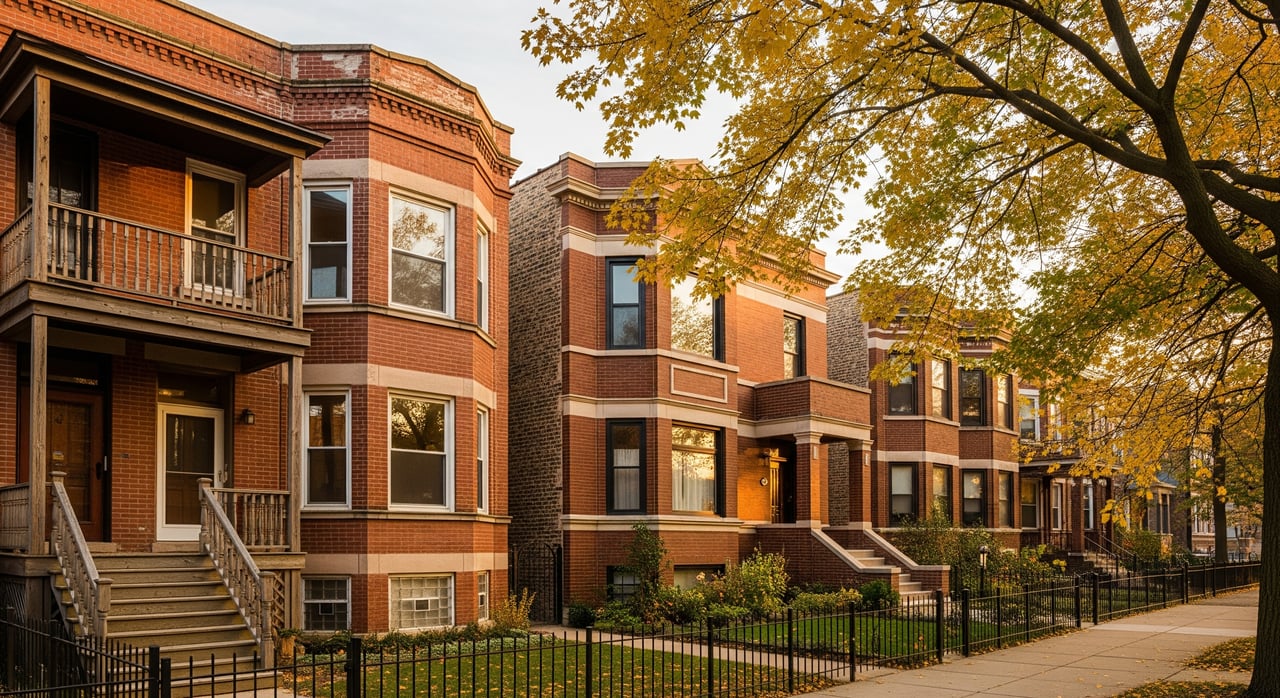
- A two-flat where you live in one unit and rent the other.
- A single-family home with a legal rental, such as a finished basement apartment, a coach house, an accessory dwelling unit where allowed, or a long-term roommate setup.
Neighborhoods vary a lot across the North Side. Rogers Park, Edgewater, Uptown, Lincoln Square, Lakeview, and Lincoln Park each have different mixes of two-flats, rent levels, and demand. Because of this, you should model rents using comps on the same block or nearby, not citywide averages.
Two-flat vs. SFH with rental: key differences
Two-flats are often purpose-built with separate entrances and utilities, which makes management simpler. Single-family homes with rentals may require more work to create a legal, safe, and separate unit. Each path has tradeoffs.
Two-flat strengths
- Clear separation of units and often separate meters.
- Less renovation needed to create a legal rental.
- Financing programs are designed to handle 2-unit owner-occupied properties.
- Potentially higher rental income from a full second unit.
Two-flat drawbacks
- Purchase price may be higher than a similar single-family home.
- Privacy and noise can be a factor when you live adjacent to a tenant.
- Property maintenance can be more complex, especially in older masonry buildings.
SFH with rental strengths
- Enjoy single-family living while offsetting costs.
- Flexibility to repurpose space later for your own use.
- Potential appreciation benefits in single-family areas, depending on demand.
SFH with rental drawbacks
- Renovation and permitting to make a unit legal can be substantial.
- Shared systems and meters can complicate billing and expectations.
- Some lenders are more conservative about counting accessory-unit income.
Zoning and legality: what to verify
Before you make an offer, focus on what is allowed and what exists today.
Zoning district and use
- Two-unit buildings are permitted only in certain residential districts. Some zones allow two-flats and small multifamily; others are single-family only. Confirm the exact zoning designation for the parcel and the permitted uses.
Permits and unit legality
- A basement apartment must meet building and safety codes for ceiling height, egress, kitchen and bath, and mechanicals. If you plan to add or legalize a unit, involve a local building code professional or architect early.
- Coach houses and accessory units can be subject to special rules or approvals. Confirm with the local zoning and building departments before you plan work.
Rental registration, inspections, and tenant protections
- Chicago has rental regulations that may include registration and inspections. You should also be familiar with the Residential Landlord and Tenant Ordinance, including rules for deposits, maintenance, and notice.
Utilities and metering
- Two-flats often have separate gas and electric meters, which tenants prefer and which simplify billing. Single-family homes with an in-law unit may share systems. Know what you are inheriting.
Parking and neighborhood restrictions
- On-site parking and permit zones affect rentability and appeal. Check for local permit programs and on-street restrictions.
Historic or landmark status
- Older two-flats can fall under landmark or historic rules that limit exterior changes. This can affect timelines and costs for renovations.
Financing paths that work
Most house hackers use owner-occupied loans because terms are typically better than pure investment financing. The right fit depends on your goals and the property.
FHA owner-occupied 2–4 unit loans
- Suitable for purchasing a two-flat when you will live in one unit. FHA allows lower down payments but requires owner occupancy and has county-level loan limits that vary by unit count. Confirm current limits and underwriting requirements.
Conventional owner-occupied loans
- Available for both 1-unit and 2-unit properties, with different down-payment and reserve requirements for 2-units. Lenders vary in how they count projected rental income from the other unit.
Portfolio lenders and local banks
- Can offer flexible approaches for small multifamily or for purchase-plus-renovation when you plan to create a legal unit in a single-family home.
Renovation loans
- Options like FHA 203(k) or Fannie Mae HomeStyle Renovation can finance both purchase and the work needed to legalize a rental unit. Each program has specific rules.
Investment property loans
- If you won’t live in the property, expect larger down payments, higher rates, and different coverage ratios. Most house hackers avoid this path by occupying one unit.
Insurance and reserves
- Use an owner-occupied landlord policy and model the cost. Lenders may require several months of reserves, especially on 2-unit and renovation loans.
Cash-flow examples you can adapt
These scenarios are illustrative. Use real neighborhood rent comps, current lender quotes, and the actual property tax bill for your modeling.
Example A: Two-flat (live in one, rent the other)
Assumptions (illustrative):
- Purchase price: $600,000; 20% down; loan amount $480,000
- Rate: 6.5% APR; 30-year fixed; monthly principal and interest about $3,036
- Rent from other unit: $2,000 per month
- Vacancy allowance: 5% → effective rent $1,900
- Monthly operating estimates: taxes $500; insurance $120; maintenance/CapEx $200; owner-paid utilities $150; self-managed
Simplified monthly cash flow:
- Effective rent: +$1,900
- Operating expenses: −$1,120
- Debt service: −$3,036
- Net monthly cash flow: about −$2,256
What it means: The rent does not cover the mortgage by itself, but it reduces your out-of-pocket housing cost by roughly the effective rent amount. Lower price, higher rent, a different rate, or a larger down payment can improve cash flow.
Example B: SFH with legal basement apartment
Assumptions (illustrative):
- Purchase price: $650,000; 20% down; loan amount $520,000
- Rate: 6.5% APR; 30-year fixed; monthly principal and interest about $3,283
- Basement apartment rent: $1,300; vacancy 5% → effective rent $1,235
- Monthly operating estimates: taxes $540; insurance $140; maintenance/CapEx $220; owner-paid utilities $200
Simplified monthly cash flow:
- Effective rent: +$1,235
- Operating expenses: −$1,100
- Debt service: −$3,283
- Net monthly cash flow: about −$3,148
What it means: Rent lowers your net housing cost by about the effective rent, but you should plan for up-front permitting and renovation costs if you are creating or legalizing the unit.
How to model your numbers
Use a simple step-by-step framework:
- Estimate gross rent from the unit you will lease. Use nearby comps for the same bedroom count and condition.
- Apply a vacancy allowance. A 3 to 8 percent range is common in stable areas. Choose a rate that fits your block and unit.
- Calculate effective gross income. That is gross rent times one minus vacancy.
- List operating expenses. Include property taxes, an owner-occupied landlord insurance quote, utilities you will cover, routine maintenance, any HOA dues, leasing costs, and a capital reserve. If you will use a property manager, include that fee.
- Find net operating income. Subtract operating expenses from effective gross income.
- Add mortgage payment. Use a current lender quote for monthly principal and interest.
- See cash flow before taxes. Subtract the mortgage from net operating income.
- Translate to net out-of-pocket cost. Add any shortfall you will cover or see the monthly reduction compared to carrying the home without rent.
Sensitivity checks help you plan:
- Rent sensitivity: Test rent plus or minus $200 to see the swing.
- Rate sensitivity: Small rate changes can move principal and interest a lot.
- Tax and insurance sensitivity: Use the actual bill for the property and update after reassessment.
- Renovation costs: If you are creating a legal unit, include these as part of your initial investment and consider payback timeline.
When a two-flat makes sense
A two-flat can be a good fit when the building already has two legal units with separate systems, the rents support your goals, and zoning and permits are straightforward. If your lender will count a portion of the other unit’s rent, it may also help with qualification. The set-up tends to be simpler from a landlord perspective, especially if utilities are separately metered.
When an SFH with rental makes sense
A single-family home with a legal basement apartment or coach house can work well if you want single-family living, outdoor space, or long-term flexibility. It may also fit if you plan to convert the rental space back to personal use later. Just be sure to budget time and money to ensure the rental space meets code and is legal to lease.
Due diligence checklist
Use this list to de-risk your purchase before you write an offer:
- Confirm the parcel’s zoning and verify that the use you want is allowed.
- Verify the legality of existing units and check for past permits or certificates of occupancy.
- Review rental registration status and any outstanding building violations.
- Get the current property tax bill and an insurance quote; use them in your model.
- Pull local rent comps for the specific unit type in the immediate neighborhood.
- Speak with lenders who regularly finance owner-occupied 2-units and renovation loans to confirm how they will treat rental income and reserves.
- Obtain contractor estimates and confirm permit requirements if you plan to add or legalize a unit.
- Plan for reserves equal to several months of mortgage and expenses.
- Decide if you will self-manage or hire a property manager and include the cost if needed.
Next steps
If you’re serious about house hacking on Chicago’s North Side, start with a clear plan. Identify your target neighborhoods and building types, get preapproved with a lender familiar with owner-occupied two-units and renovation loans, and run numbers using real comps and the actual tax bill. From there, walk each property with an eye on layout, egress, metering, and permit history. A solid process now can save you thousands later.
If you want a calm, local guide to help you compare two-flats and single-family options, build a realistic budget, and line up the right team for lending, permits, and contractors, we’re here to help. Connect with Megan Livatino Real Estate Inc and let’s map out a smart house-hack strategy for your next move.
FAQs
What is house hacking in Chicago?
- House hacking means you live in part of a property and rent the other portion to offset your mortgage, commonly a two-flat or a single-family home with a legal rental space.
Are two-flats allowed on every North Side block?
- No. Two-unit buildings are only permitted in certain residential zoning districts, so you should confirm the specific parcel’s zoning and allowed uses before you make an offer.
Do I need permits to rent a basement apartment?
- Yes, a basement unit must meet building and safety codes for items like egress, ceiling height, and separate kitchen and bath; verify permits and legality before leasing.
Can I use FHA to buy a two-flat if I live in one unit?
- Yes, FHA allows owner-occupied 2–4 unit financing with down payments that can be lower than conventional, but you must meet FHA rules including occupancy and loan limits.
How should I estimate rent for my model?
- Use rent comps in the same neighborhood and for similar units, adjusting for size, condition, and parking; avoid citywide averages when modeling North Side properties.
What expenses do I include in cash-flow modeling?
- Include property taxes, owner-occupied landlord insurance, utilities you cover, routine maintenance, reserves for capital items, leasing costs, and management if you won’t self-manage.
Will separate meters help with renting?
- Often yes. Separate gas and electric meters simplify billing and can make a unit more appealing to tenants compared to shared systems.
How much in reserves should I keep?
- Plan to hold several months of mortgage payments plus operating expenses as a cushion, especially for 2-units and renovation loan scenarios.